
This cloves water safety guide separates traditional claims from established evidence.
The potential benefits of cloves water come mainly from using it as a flavorful, unsweetened drink. Clove water is made by steeping whole cloves in water and has a warm, spicy flavor. Although cloves contain eugenol and other plant compounds with interesting laboratory activity, research on drinking clove water itself is limited. It should be treated as a beverage, not as a medicine or cure.
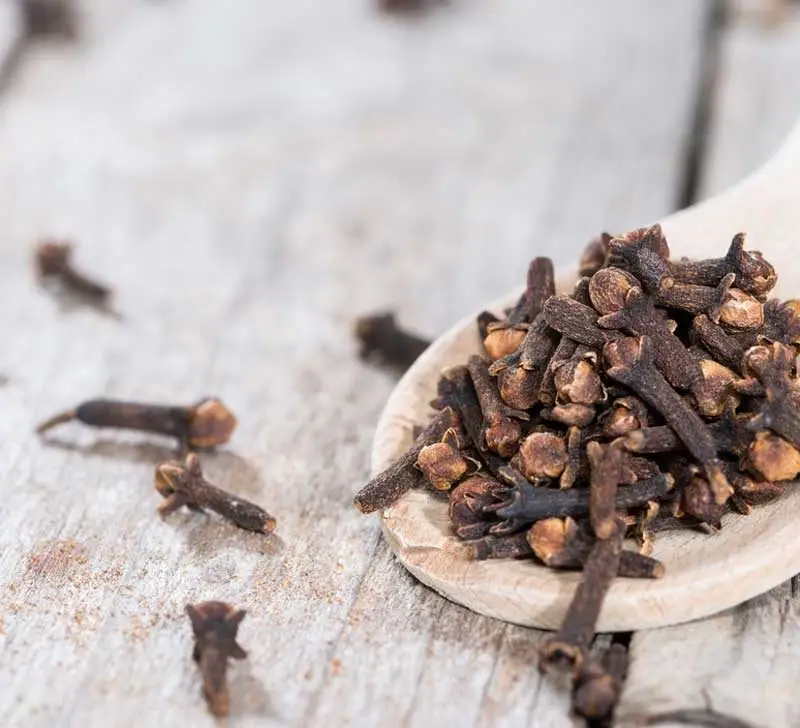
This guide examines the possible benefits of cloves water, separates plausible effects from unsupported claims, explains who should be cautious and gives a simple recipe using whole cloves rather than concentrated clove essential oil.
What Is Clove Water?
Clove water is plain water infused with dried flower buds from the clove tree, Syzygium aromaticum. It may be prepared as a hot infusion, similar to tea, or by soaking a few whole cloves in cool water. The drink is much more dilute than clove oil, clove extract or a supplement.
That difference matters. Concentrated clove oil contains much larger amounts of eugenol and should not be swallowed as if it were a beverage ingredient. A mild infusion made from a few whole culinary cloves is the safer approach for most healthy adults.
Potential Benefits of Cloves Water: What Evidence Says
Evidence about the benefits of cloves water is limited because most studies examine isolated eugenol, clove extracts, essential oil, cells or animals—not ordinary clove water in people. Those findings can help researchers identify possibilities, but they do not prove that a homemade drink prevents or treats disease.
1. It can make water more appealing
The clearest practical benefit is simple: the aroma and flavor may encourage someone to drink more fluid. Hydration supports normal digestion, temperature regulation and everyday body function. The benefit comes mainly from the water; cloves provide flavor without requiring added sugar.
2. Cloves contain antioxidant compounds
Some proposed benefits of cloves water relate to eugenol and polyphenols that show antioxidant activity in laboratory testing. Antioxidants help limit oxidation in test systems, but the amount extracted into a cup of clove water varies with the number of cloves, water temperature and steeping time. There is not enough clinical evidence to promise a specific health result from the drink.
3. Antimicrobial effects are mainly laboratory findings
Clove oil and eugenol can inhibit some microorganisms under laboratory conditions. This does not mean clove water can treat an infection, replace antibiotics, cure bad breath or substitute for brushing, flossing and dental care. A warm clove drink may temporarily freshen the mouth because of its strong aroma, but persistent dental pain or odor needs professional attention.
4. Digestive claims remain uncertain
Many people enjoy warm spiced drinks after meals, and warmth may feel soothing. However, good human trials have not shown that clove water reliably treats bloating, ulcers, reflux or constipation. It can also irritate the mouth or stomach in some people. Stop drinking it if it causes burning, nausea, pain or worsening reflux.
5. Weight-loss and blood-sugar claims are not established
Claims about the benefits of cloves water for weight loss are not established. No beverage melts fat, but unsweetened clove water may replace a sugary drink as part of an overall eating plan. People who track drinks and nutrition can also read our MyFitnessPal review. Claims that it controls diabetes are also too strong. Anyone taking glucose-lowering medicine should not use clove products to change treatment without a clinician.
How to Make Clove Water Safely
- Bring 250 ml, or about 1 cup, of water to a boil.
- Remove the water from the heat and add 2 to 3 whole culinary cloves.
- Cover and steep for 5 to 10 minutes.
- Strain out the cloves and allow the drink to cool to a comfortable temperature.
Start with two cloves and a short steep. A stronger drink is not necessarily more beneficial and may be more irritating. Lemon, ginger or cinnamon can be added for flavor if they are safe for you. Added sugar or honey changes the calorie and sugar content.
Use food-grade whole cloves from a reputable source. Do not add clove essential oil to drinking water. Oil does not disperse evenly, so a seemingly small amount can expose the mouth and digestive tract to concentrated eugenol.
How Often Can You Drink It?
Even when considering the possible benefits of cloves water, there is no medically established daily dose. A healthy adult who tolerates cloves may occasionally drink one mild cup as part of a varied diet. There is no reason to make it highly concentrated or consume several cups a day. Because long-term research on daily use is limited, moderation is sensible.
Notice how your body responds. Discontinue it if you develop mouth irritation, stomach upset, rash, dizziness or any other unexpected symptom. Water should remain your main source of hydration.
Clove Water Risks and Who Should Be Careful
- Clove oil toxicity: concentrated eugenol can cause serious poisoning, including liver injury, seizures and breathing problems. The NIH LiverTox review of eugenol documents the serious risks associated with high-dose ingestion. Keep essential oils away from children and do not swallow them casually.
- Bleeding risk: eugenol can affect platelet activity in laboratory research. Ask a clinician before frequent use if you take blood thinners, have a bleeding disorder or have surgery or a dental procedure scheduled.
- Diabetes treatment: concentrated clove products may affect blood glucose. People using insulin or other glucose-lowering medicines should discuss herbal products with their clinician.
- Liver disease: avoid concentrated clove products and obtain medical advice before regular use.
- Pregnancy and breastfeeding: culinary amounts used in food are different from medicinal or concentrated use. Ask an obstetric clinician before making clove water a regular habit.
- Children: do not give clove essential oil by mouth. Ask a pediatric clinician before offering clove preparations beyond normal food amounts.
- Allergy or irritation: avoid cloves if you have reacted to them before. Stop use if swelling, hives, breathing difficulty or severe irritation occurs.
If someone swallows clove oil or develops severe vomiting, confusion, seizures, breathing difficulty or extreme sleepiness, seek emergency help or contact a poison-control service immediately. Do not wait for symptoms to become severe.
Common Questions
Is clove water good to drink every morning?
It can be an occasional unsweetened drink for a healthy adult, but daily use has no proven advantage. A morning routine does not make it detoxifying or medicinal.
Does clove water detox the body?
No good evidence shows that clove water removes toxins. The liver, kidneys, lungs and digestive system perform the body’s normal waste-processing functions.
Can clove water cure toothache?
No. Clove compounds have been used in dentistry, but homemade clove water cannot repair decay, treat an abscess or replace dental care. Tooth pain, facial swelling, fever or trouble swallowing requires prompt professional attention.
Is soaking cloves overnight better than boiling them?
There is no clinical evidence that one method provides superior health results. A hot infusion is quicker. If you prepare a cool infusion, refrigerate it and use it promptly rather than leaving it at room temperature for long periods.
The Bottom Line
The most realistic benefits of cloves water are flavor, variety and replacing a sugary beverage when it is made mildly from whole cloves. Cloves contain biologically active compounds, but claims about immunity, weight loss, diabetes, digestion and disease treatment go beyond the available evidence for the drink. Use a few whole cloves, avoid essential oil, drink it in moderation and seek medical advice if you take medicines or have a health condition.
This article is for general information and is not a diagnosis or treatment plan.
Cloves Water Safety Guide
Use this cloves water safety guide to review preparation, serving size, medication interactions and symptoms that require medical advice.
A reliable cloves water safety guide should not promise treatment or guaranteed health benefits. This cloves water safety guide recommends avoiding concentrated clove oil in homemade drinks. The cloves water safety guide also highlights bleeding risk, digestive irritation and possible medicine interactions. Follow the cloves water safety guide by starting cautiously and stopping if adverse symptoms occur. Most importantly, use the cloves water safety guide as general information, not as a substitute for individualized medical advice.