
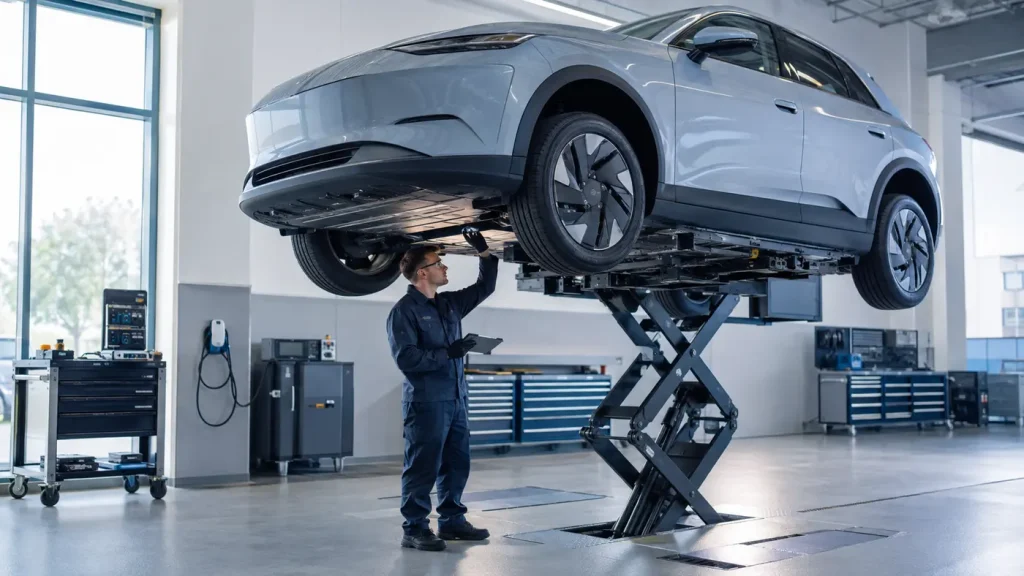
Do Electric Cars Need Oil Changes? Complete 2026 Guide
Do electric cars need oil changes? A battery-electric vehicle does not need engine oil changes because it has no internal-combustion
Guides and reviews about electric vehicles and EV technology.
Do electric cars need oil changes? A battery-electric vehicle does not need engine oil changes because it has no internal-combustion

Modern electric-car range varies widely by model, but the number on the window label is a standardized estimate, not a guarantee. Speed, temperature, elevation, wind, tires, cabin heating and battery condition determine the distance on a particular trip.

The best choice is not simply the newest low-priced EV. Prioritize verified battery health, usable real-world range, remaining warranty, charging compatibility, insurance cost and local parts support, then compare total price after fees and incentives.
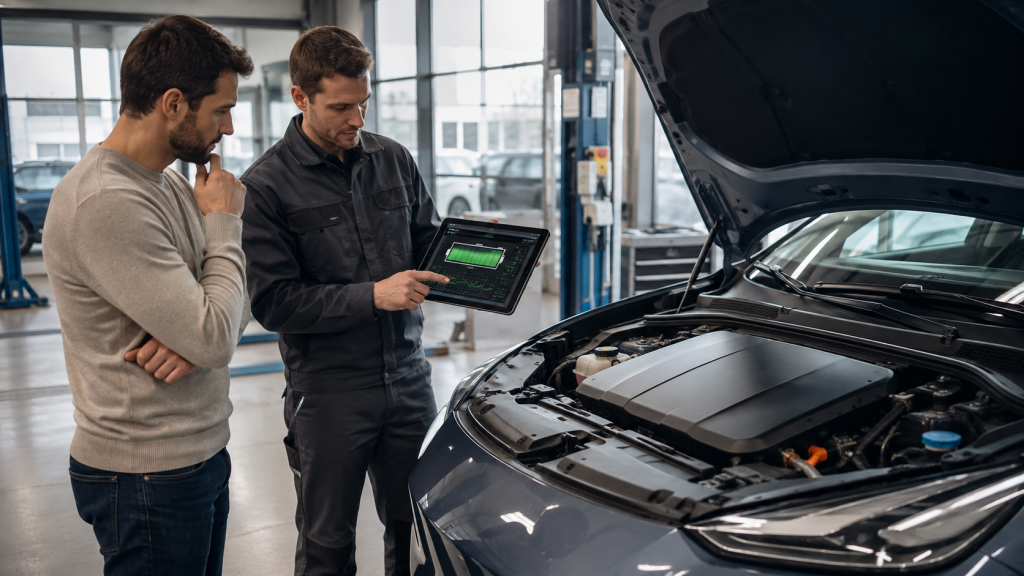
Start with a model-specific battery health report, then compare displayed range with temperature, charge level and recent efficiency. Verify warranty status, charging behavior, recall completion and the underside of the battery enclosure before purchase.
An EV battery warranty normally has both time and mileage limits and may distinguish sudden failure from gradual capacity loss. Coverage, degradation thresholds, transfer rules and exclusions vary by brand, model and market, so the written warranty controls.

Electric cars usually need fewer routine service items than gasoline vehicles because they have no engine oil, spark plugs or exhaust system. Tires, suspension, cabin filters, brake fluid, wipers and occasional cooling-system service still create real costs.
Yes. Properly installed EV charging equipment and vehicle connectors are designed for outdoor weather, and current is not delivered until the system completes safety checks. Do not use damaged, submerged, improvised or recalled equipment.
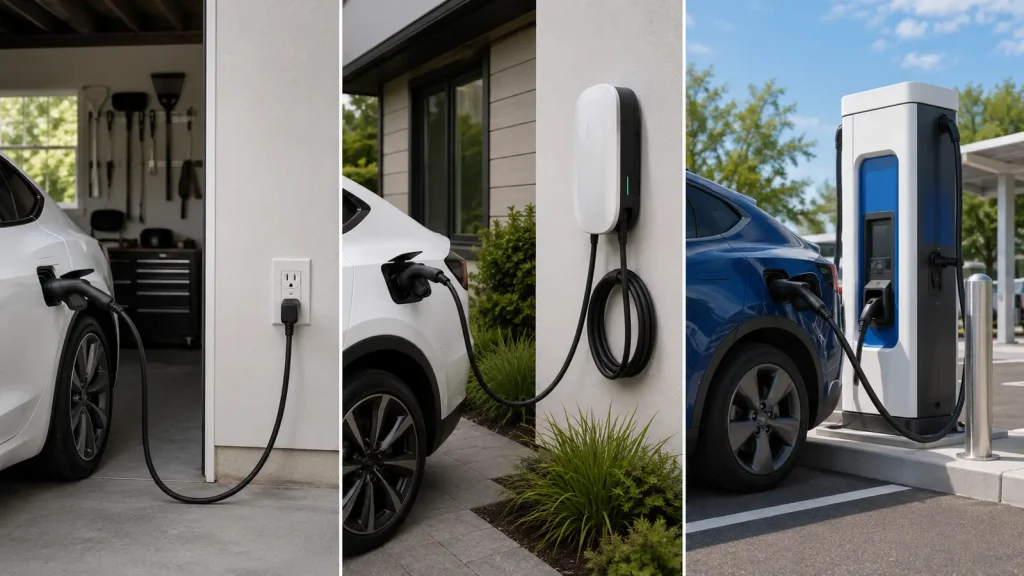
Level 1 uses a standard 120-volt outlet and is best for low daily mileage. Level 2 commonly uses 208 or 240 volts and adds range several times faster, making it the practical home choice for many battery-electric vehicles.
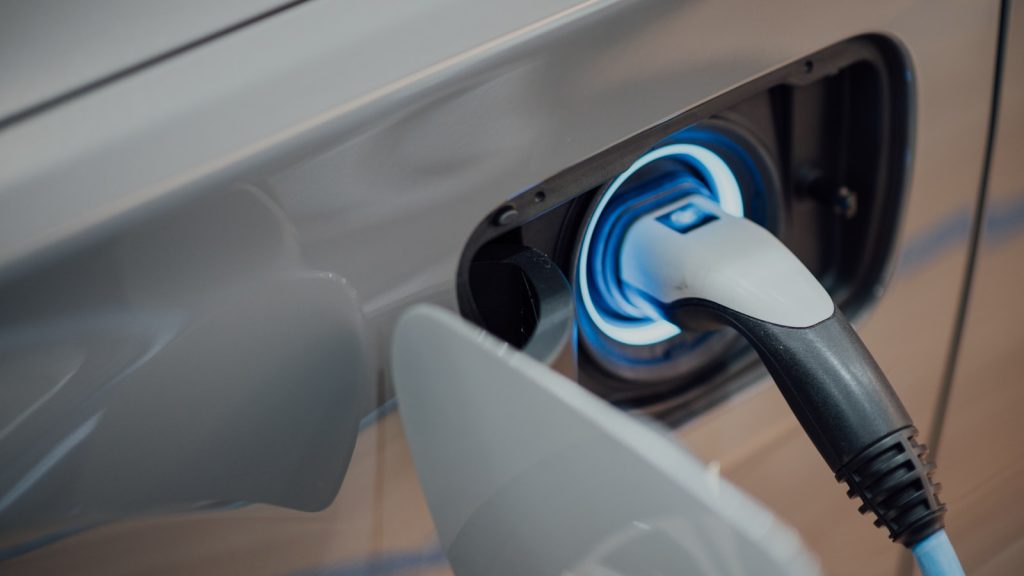
The cost is your vehicle’s usable battery energy multiplied by your utility rate, adjusted for charging losses. At 3.5 miles per kWh and 17 cents per kWh, 1,000 home-charged miles costs about $49 before fixed utility fees.
The electric car insurance cost question catches a lot of buyers off guard. EVs are famous for saving money on